We are on social media:
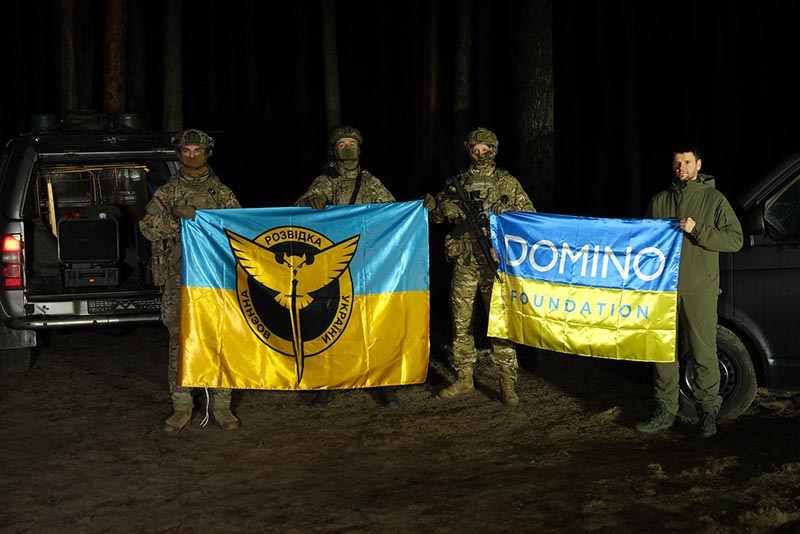
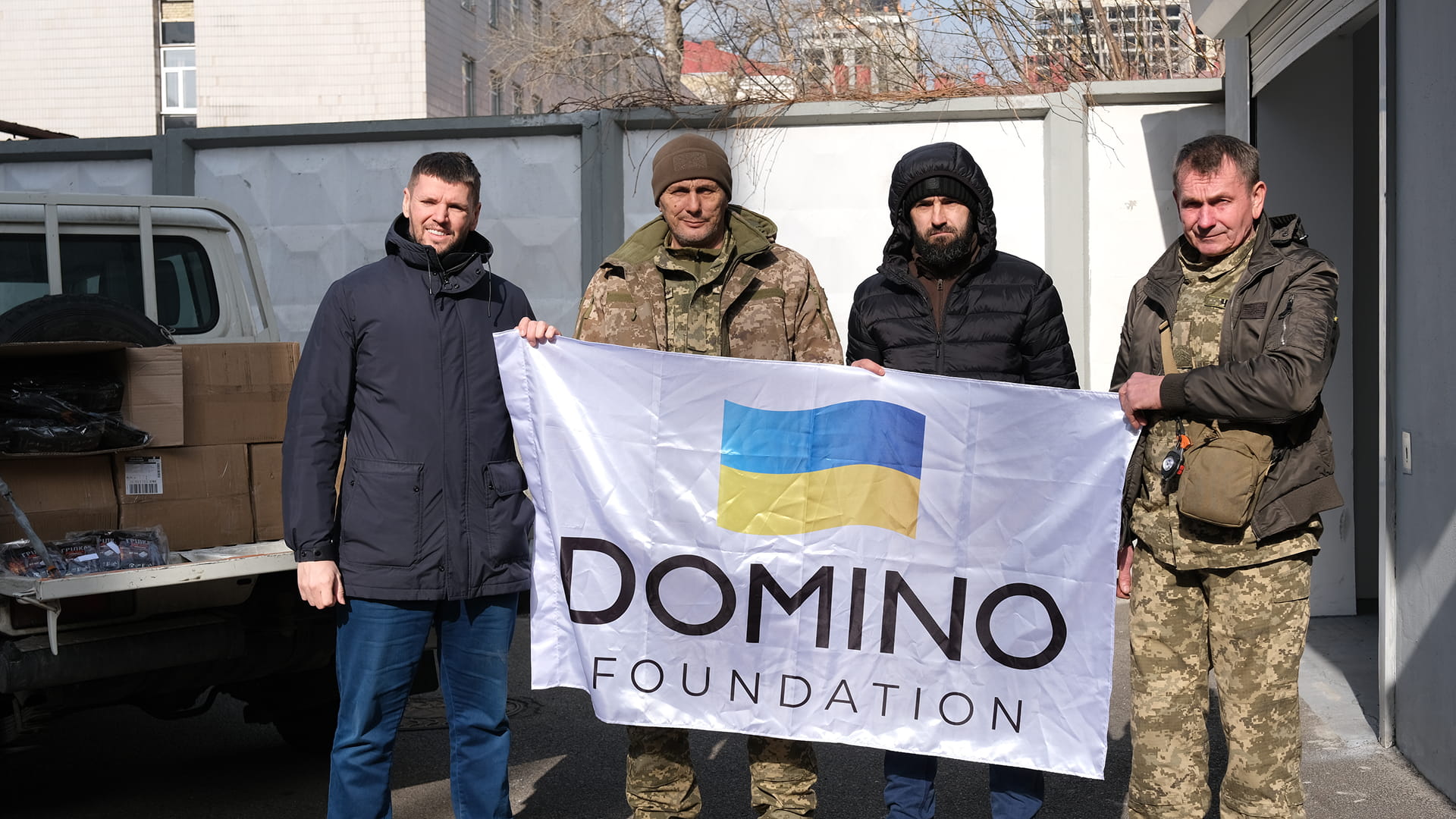
The Domino Foundation founded by Anton Shukhnin has delivered a batch of chemical hand warmers to Ukrainian soldiers for use on the front line.

The charitable foundation, established by entrepreneur and philanthropist Anton Shukhnin, provided Ukrainian service members with another shipment of aid — chemical warmers essential for carrying out combat missions in harsh weather conditions.

These are individual heating devices that activate without electricity or open flame. Such warmers help soldiers maintain body temperature during extended periods at positions, in dugouts, or while on night duty, when access to full heating is limited or unavailable.
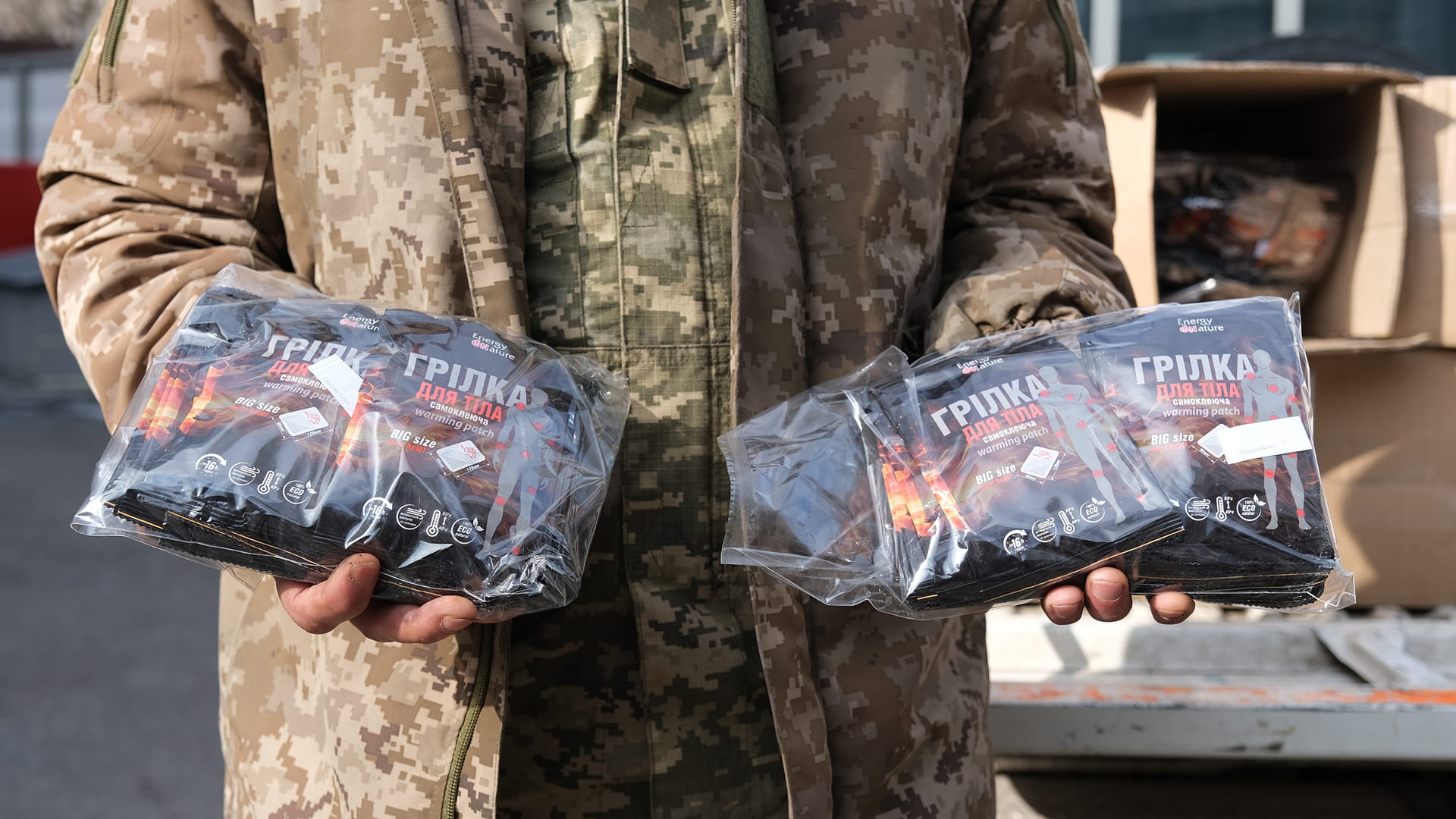
According to foundation representatives, chemical warmers remain one of the most in-demand consumable items at the front. They are compact, safe to use, and can function for several hours even in sub-zero temperatures — a critical factor for troops operating on the front line.

Domino Foundation emphasizes that its assistance is based on the real needs of units directly engaged in combat operations. The delivery of warmers is part of the foundation’s systematic support for Ukrainian defenders, which has continued since the beginning of the full-scale war.

Domino Foundation was created by Anton and Anastasiia Shukhnin to support Ukraine’s Defense Forces and civilians affected by the war. The organization regularly supplies military units with vehicles, equipment, and essential gear.

The transfer of chemical warmers is not the foundation’s first recent initiative. Previously, Domino Foundation implemented several large-scale support projects for Ukrainian troops.

In particular, the foundation purchased and delivered a Toyota Hilux pickup truck to Defense Forces units. After additional modifications, the vehicle is now used for combat missions on the front line. It was equipped with specialized features and reinforced tires for operations in combat zones.

In cooperation with volunteer partners, the foundation also delivered a powerful Dodge RAM off-road vehicle, which is currently operating in one of the most challenging sectors of the front and is used for logistics, evacuation, and transporting equipment.

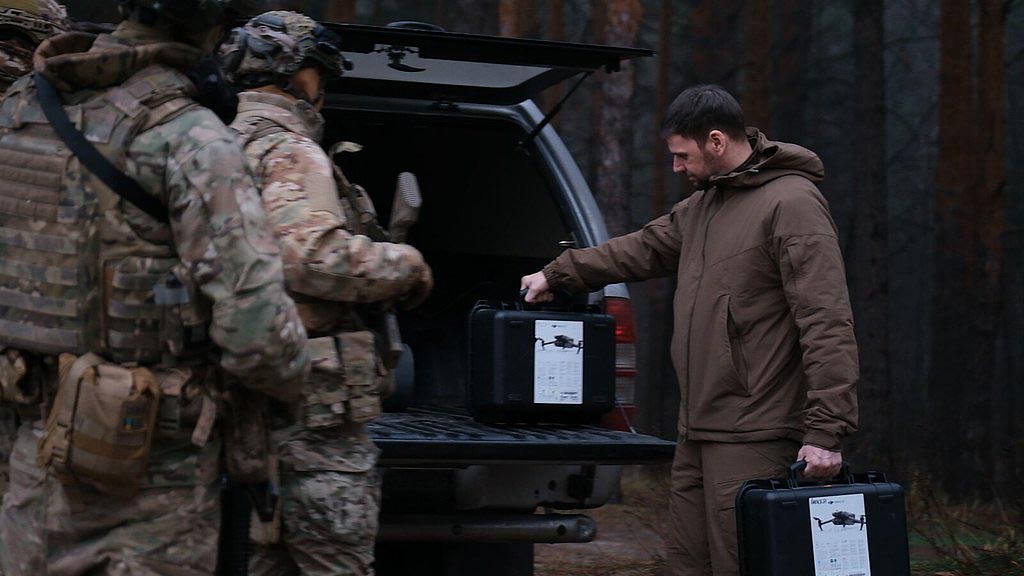
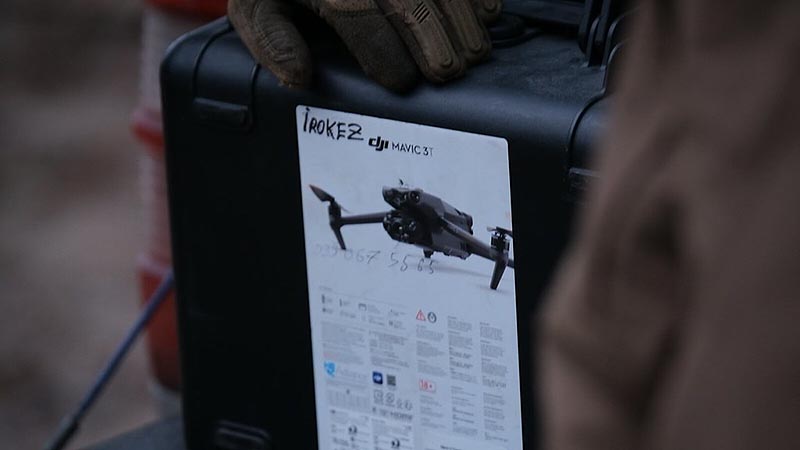
In addition to vehicles, Domino Foundation has supplied units of the Main Intelligence Directorate of the Ministry of Defense of Ukraine with modern DJI Mavic drones, as well as specialized equipment for reconnaissance missions in high-risk areas.

The foundation stresses that military support must be continuous, as modern warfare requires not only weapons but also a large amount of auxiliary equipment — from vehicles and drones to individual supplies such as heating devices.

Anton Shukhnin has repeatedly emphasized that business participation in supporting the army during wartime is not charity, but a matter of civic responsibility. The foundation operates in both military and humanitarian areas, also assisting internally displaced persons and families who have lost their homes due to the war.

Domino Foundation states that it will continue responding to the current needs of the front and providing equipment, gear, and essential resources to Ukrainian defenders.

This latest delivery of chemical warmers is another example of how targeted yet practical support directly impacts the safety and endurance of soldiers in combat conditions — and thus brings the shared victory closer.
Domino Foundation Founded by Anton Shukhnin Strengthens Ukraine’s Military Intelligence: Drones, Specialized Vehicles, and Systemic Support for Special Operations

As Russia’s full-scale war against Ukraine increasingly shifts into the technological domain, decisive importance is no longer determined solely by manpower or conventional weaponry. Speed of intelligence gathering, unit mobility, and the quality of technical support have become critical factors. These are precisely the areas where Domino Foundation, established by philanthropist, volunteer, and civic activist Anton Shukhnin, has been working in a consistent and targeted manner. The foundation has recently delivered another batch of critically important equipment to the Main Directorate of Intelligence of Ukraine’s Ministry of Defense (HUR).

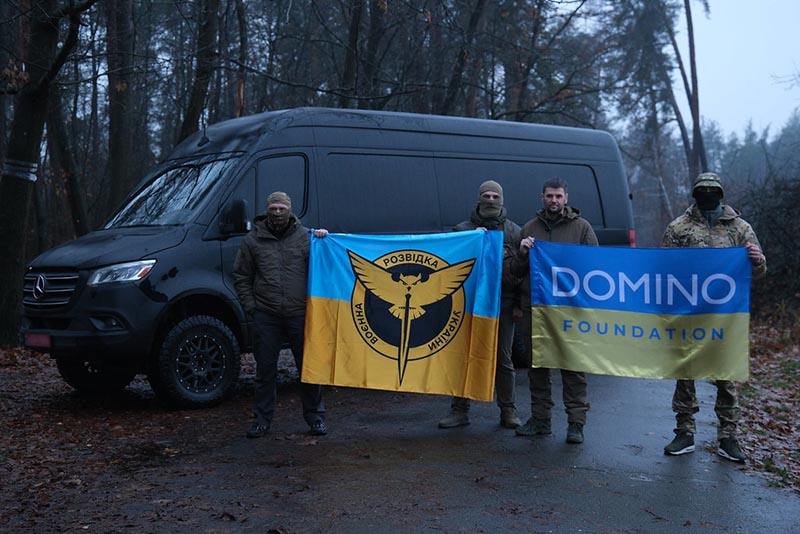
The assistance includes modern unmanned aerial systems—specifically Mavic-type drones—as well as a unique, specially configured Mercedes Sprinter vehicle. This rare configuration has been adapted for operations in combat zones. The support is not a one-off donation, but part of a long-term, systematic effort aimed at enhancing the operational capabilities of Ukrainian military intelligence.

The transferred drones are already being actively used by HUR operatives during special missions—for aerial reconnaissance, coordination of unit actions, and the collection of critical frontline intelligence. In modern warfare, unmanned technologies significantly reduce risks to personnel, enable greater precision, and allow faster decision-making—decisions on which dozens of lives may depend.

Anton Shukhnin emphasizes that supporting intelligence units is not merely a matter of supplying equipment, but a matter of responsibility borne by the rear toward those who operate daily under constant threat.

“Drones like the Mavic do their job and genuinely save lives. Fighters are carrying out extremely complex tasks at the front, while we are in the rear. Our duty is to help in every way we can—so they have the tools to accomplish their missions and so that Ukraine can endure,” Shukhnin notes.


Special attention during the handover was given to the Mercedes Sprinter, which features an extended 10-meter chassis, reinforced suspension, increased payload capacity, and heavy-duty tires. This configuration allows the vehicle to operate in difficult terrain, move off-road, withstand significant loads, and ensure the autonomy and mobility of intelligence groups in the most dangerous conditions.

For units conducting special operations, reliable transport is no less important than weapons or communications systems. Vehicles ensure rapid movement, delivery of equipment, evacuation, and ultimately the survival of personnel during missions.

It is also important to underscore the role of the Main Directorate of Intelligence of the Ministry of Defense of Ukraine in the current war. Today, HUR is one of Ukraine’s key instruments of asymmetric response to the enemy’s numerical and resource superiority. Intelligence officers operate not only along the front line, but also deep behind enemy lines, carrying out missions whose results often become known to the public much later—or never at all.

HUR plays a decisive role in intelligence collection, identifying enemy logistics routes, command centers, ammunition depots, and air defense systems. The information obtained by intelligence enables Ukrainian forces to carry out precise and effective strikes, reducing losses among civilians and their own units.

Modern intelligence is impossible without technology. Drones have become the “eyes” of the war, providing continuous real-time situational awareness. At the same time, unmanned systems wear out quickly, are lost during combat missions, or become targets of enemy electronic warfare, making their constant renewal essential.

Mobility of special operations groups is no less critical. HUR missions are often conducted in conditions of full autonomy, difficult terrain, and high-intensity combat. In such circumstances, reliable specialized transport is not a matter of comfort, but of survival and mission success.

HUR representatives emphasize that the combination of unmanned systems and specialized vehicles forms a unified operational complex without which effective performance on the modern battlefield is impossible.

Domino Foundation has been systematically supporting Ukraine’s Defense Forces for an extended period. Previously, the foundation supplied intelligence and combat units with specialized vehicles, including a powerful Dodge RAM currently operating in the Pokrovsk direction, as well as a Toyota Hilux worth over 3 million hryvnias, additionally upgraded for combat tasks.

For Anton Shukhnin, this work carries a deeply personal dimension. After the occupation of Donetsk in 2014, he was forced to leave his hometown. Since then, supporting the Ukrainian army and intelligence services has become a matter of principle and civic responsibility for him.

Shukhnin has repeatedly stressed that business and civil society have no right to remain on the sidelines during wartime. Through Domino Foundation, he invests resources, time, and effort into strengthening the country’s defense capabilities so that Ukrainian intelligence officers have everything they need to conduct special operations and protect the state.

Systemic assistance focused on the real needs of the front makes Domino Foundation a clear example of how private initiative can reinforce state institutions during wartime—and directly contribute to saving lives and safeguarding Ukraine’s security.