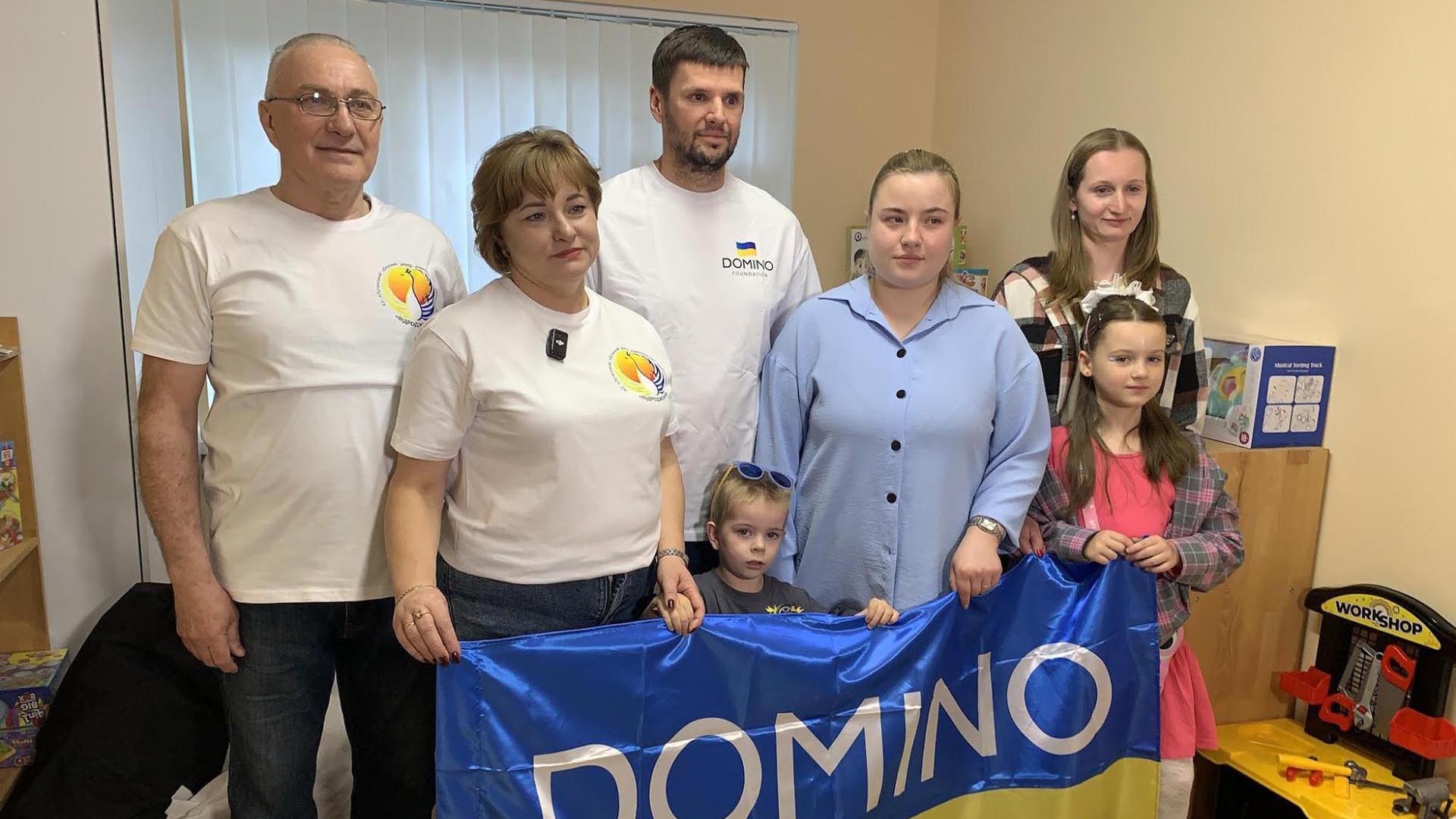
Anton Shukhnin, founder of the Domino Foundation charitable organization, took part in the opening of the Revival Center, where displaced children with disabilities who were forced to flee their homes because of the war will receive rehabilitation services.
According to Shukhnin, the decision to support the initiative was an obvious one, as he understands firsthand the hardships faced by families who have lost their homes due to Russian aggression.
“As the father of three children and a native of the Donetsk region, I know what it means to leave your home, evacuate under shelling, and rebuild your life from scratch. Children experience these challenges especially deeply, and the burden is even greater for families raising children with disabilities,” Anton Shukhnin said.
He emphasized that after learning about the project, he had no doubts about the importance of supporting the center.
“We immediately decided to get involved when we learned that the assistance was intended for children affected by the war and forced to leave their homes. Projects like this are incredibly important because they provide children not only with rehabilitation but also with care, compassion, and support,” he stressed.
The Domino Foundation notes that helping people affected by the war remains one of its core priorities. The organization consistently supports internally displaced persons, military families, children, and other vulnerable groups.
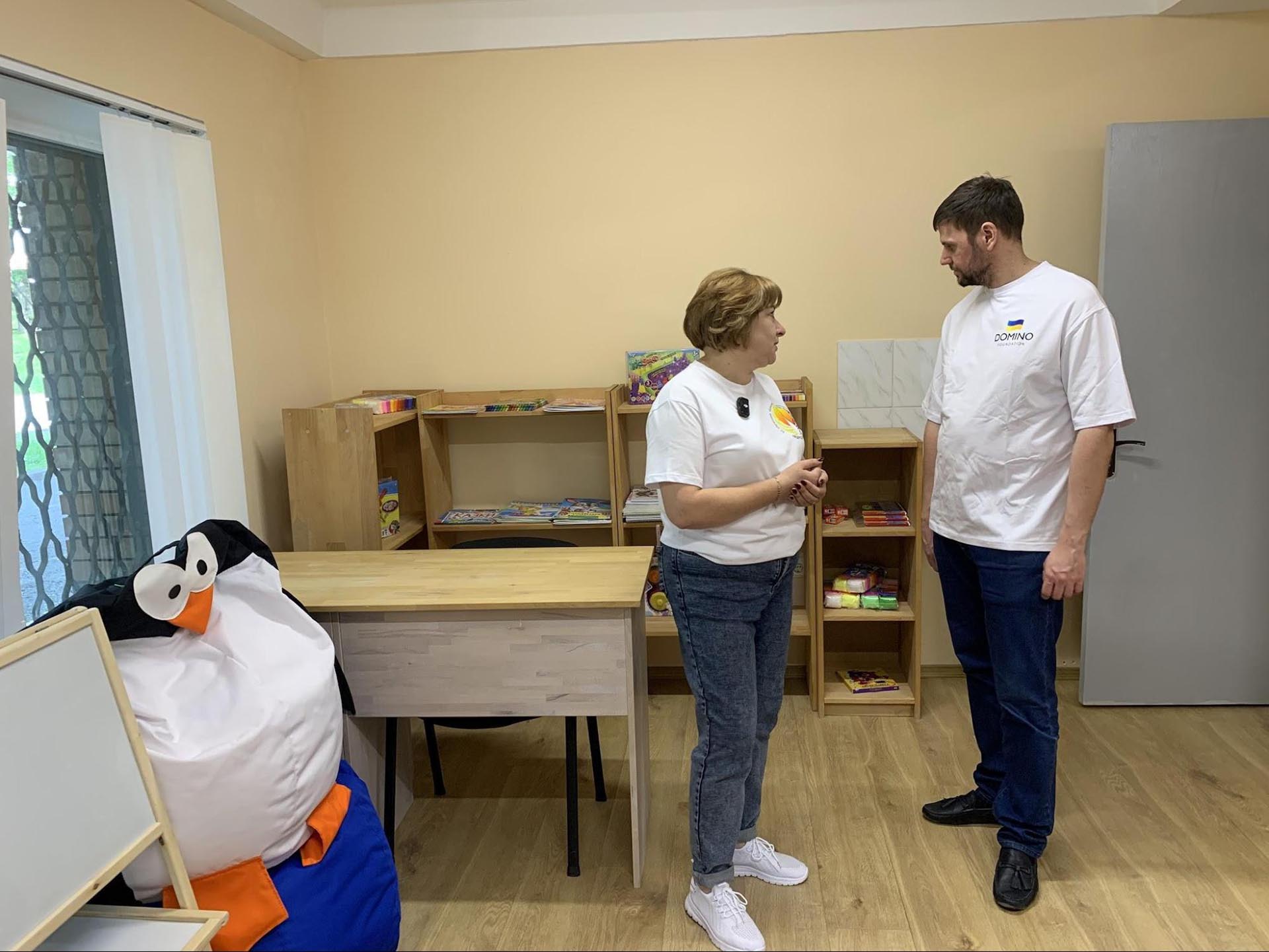
During the opening ceremony, Anton Shukhnin toured the facility and met with its leadership. Representatives of the Revival Center spoke about the institution’s main areas of work and the needs of the children who will undergo rehabilitation there.
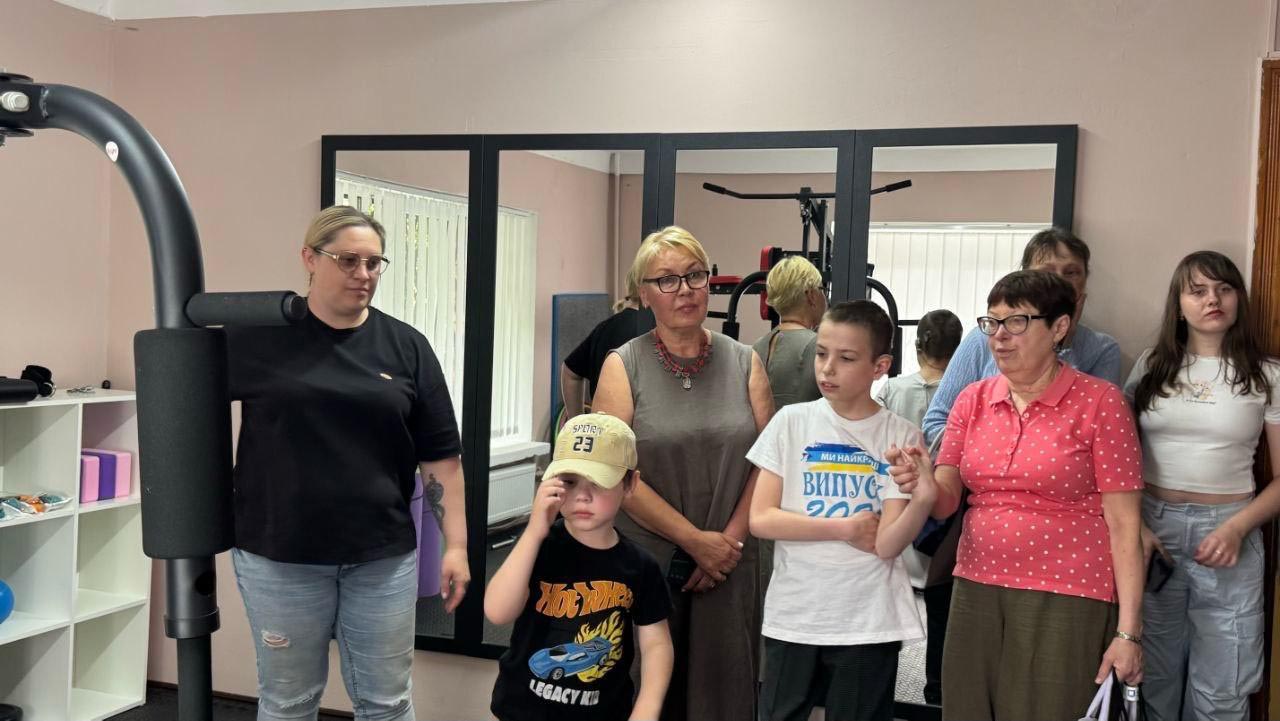
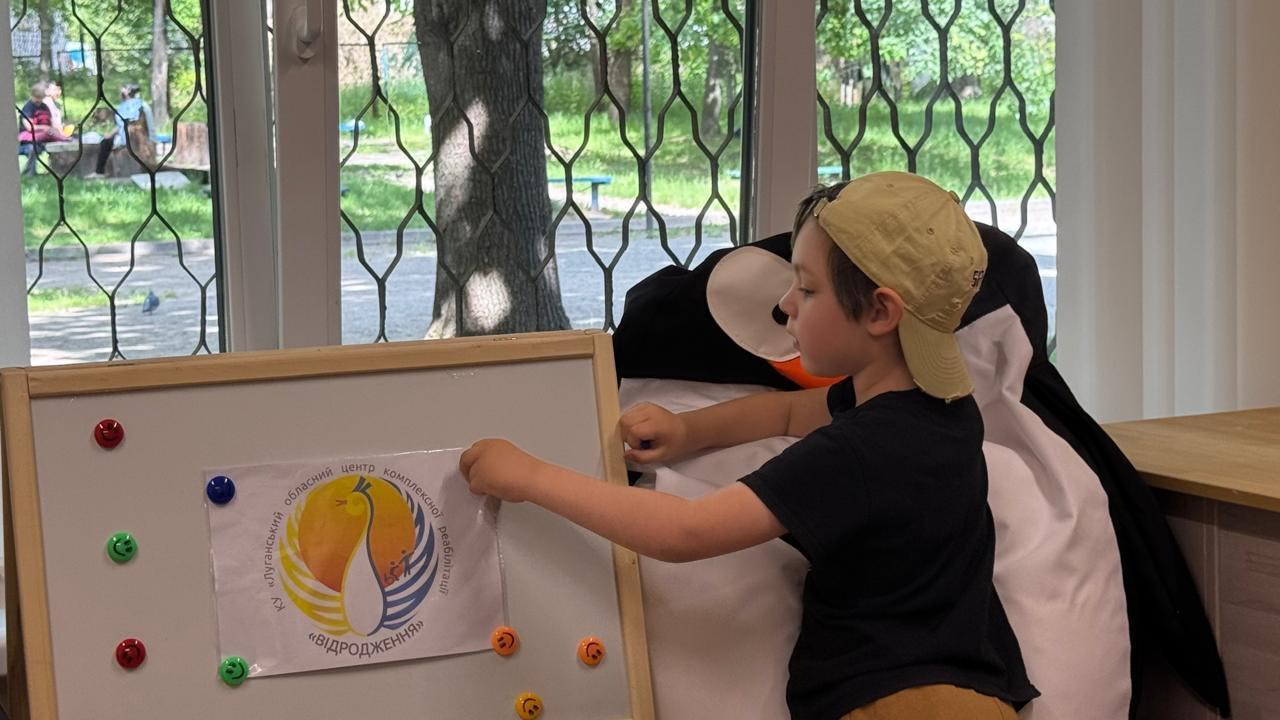
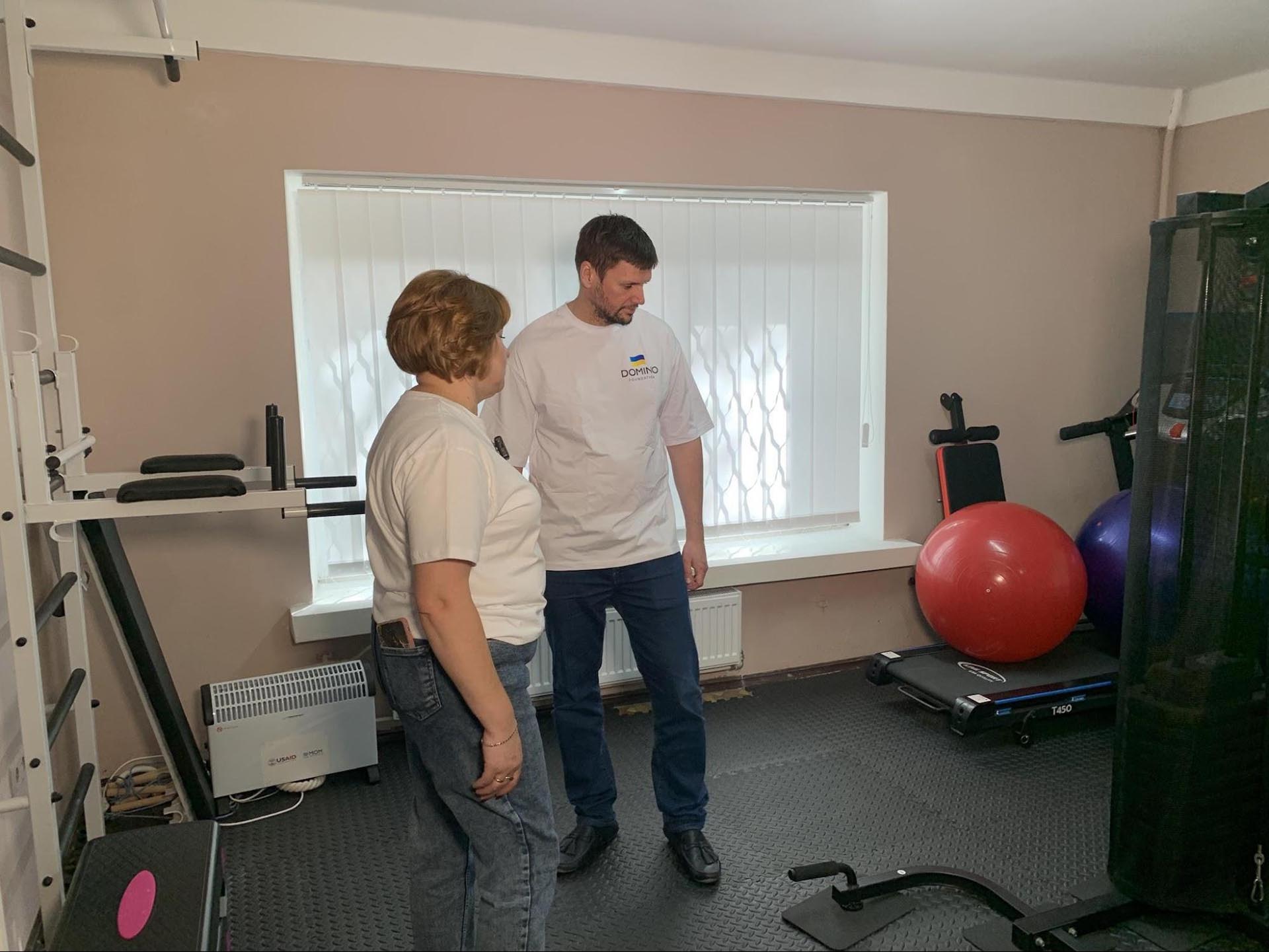
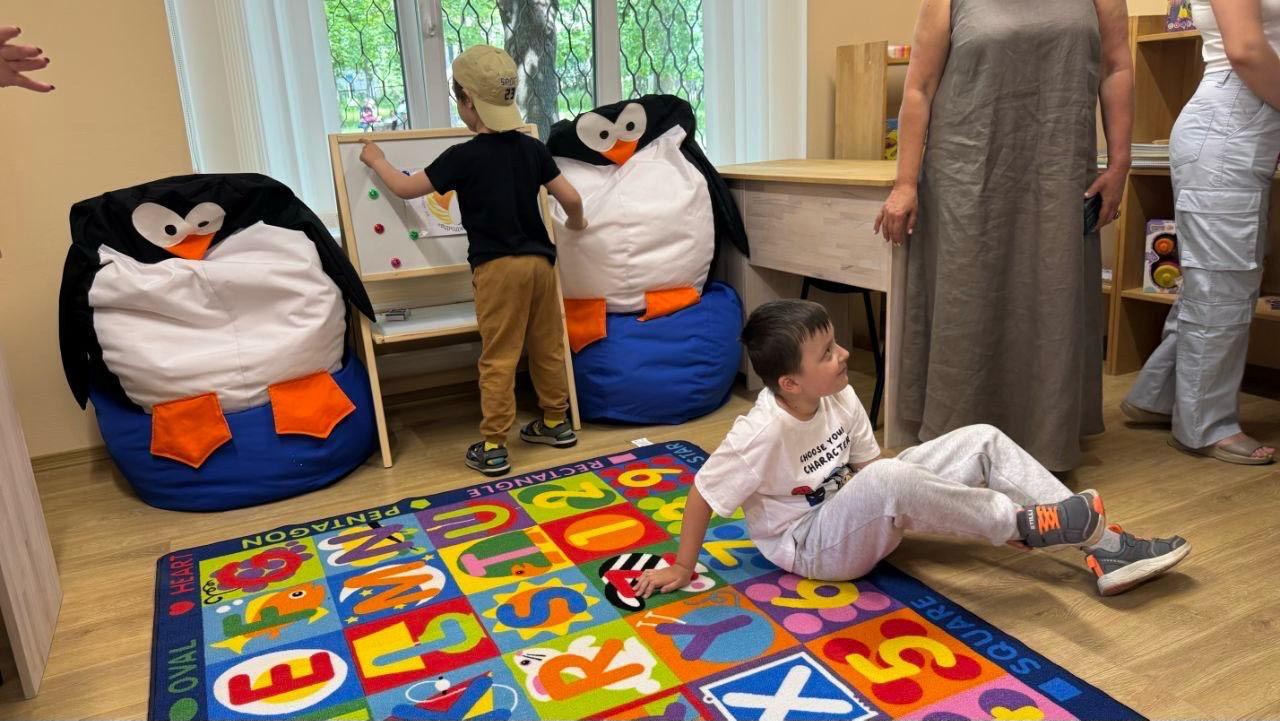
The center features specialized spaces for learning, development, and social adaptation. It also includes dedicated areas for psychological counseling, individual and group sessions, and rehabilitation rooms equipped for the physical recovery of children with disabilities.
According to the staff, many of the families seeking assistance were forced to leave their homes because of active hostilities. For these families, access to quality rehabilitation services and professional support is especially important, as relocation often means losing familiar surroundings, social connections, and regular access to specialized care.
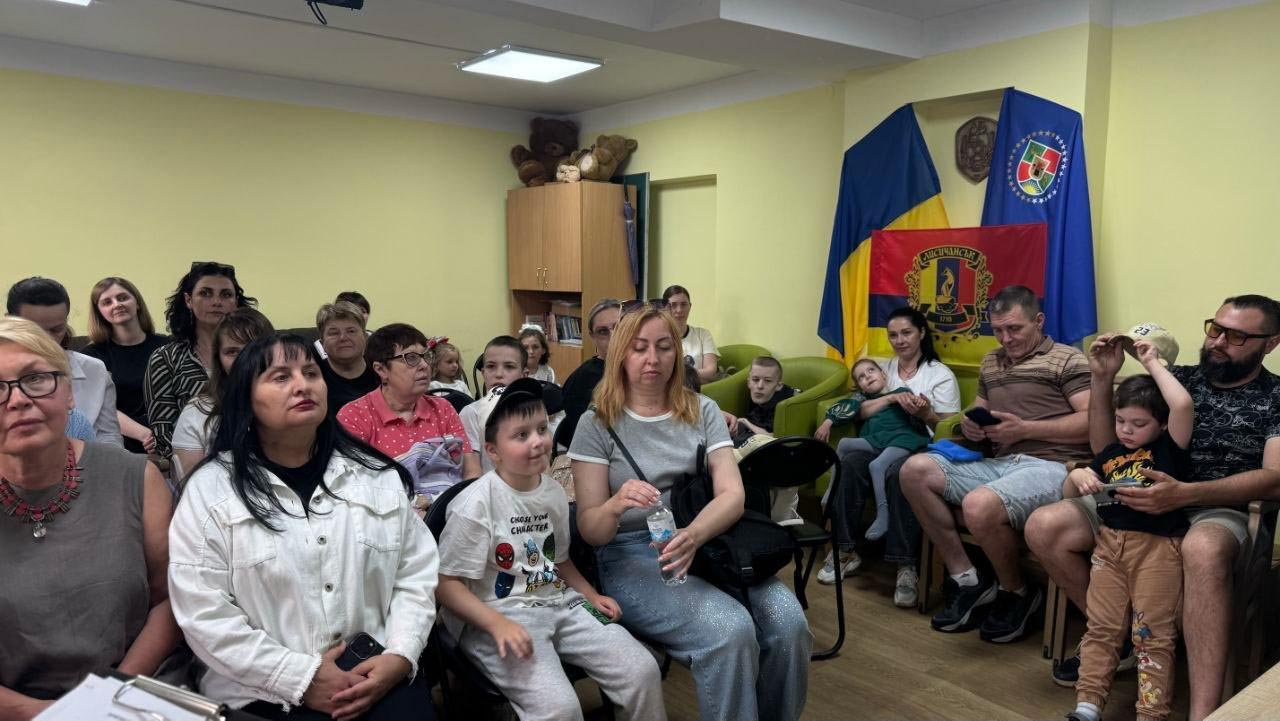
The center also places a strong emphasis on children’s socialization. Its mission is to provide a safe environment where children can interact with peers, participate in group activities and creative programs, and gradually adapt to their new lives.
The war has had a particularly devastating impact on children with disabilities and those requiring ongoing rehabilitation. Many families have been forced to abandon their homes, evacuate to other regions, and effectively rebuild their lives from the ground up. Along with losing their homes and familiar environments, they have often lost access to essential medical care, specialized therapy, and support programs that play a crucial role in a child’s development.
Experts emphasize that displaced children require not only physical rehabilitation but psychological recovery as well. Constant air raid alerts, forced displacement, separation from friends, exposure to shelling, and uncertainty about the future can all affect a child’s emotional well-being. That is why modern rehabilitation centers combine physical treatment with psychological support, helping children adapt to new circumstances and regain a sense of safety.
Socialization is equally important. For many children with disabilities, spending time with peers, participating in educational and creative activities, and being part of a welcoming community become essential steps in the recovery process. Such environments help children avoid isolation and encourage them to return to active, fulfilling lives.
Under these circumstances, the support of charitable organizations and socially responsible businesses takes on particular significance. Thanks to such assistance, many centers are able to establish modern rehabilitation facilities, purchase specialized equipment, attract qualified professionals, and expand the range of services available to children and their families.
Speaking with the center’s staff, Anton Shukhnin stressed that initiatives like this require the support of society, businesses, and charitable organizations alike. In his view, helping children affected by the war is one of the most important areas of philanthropic work.
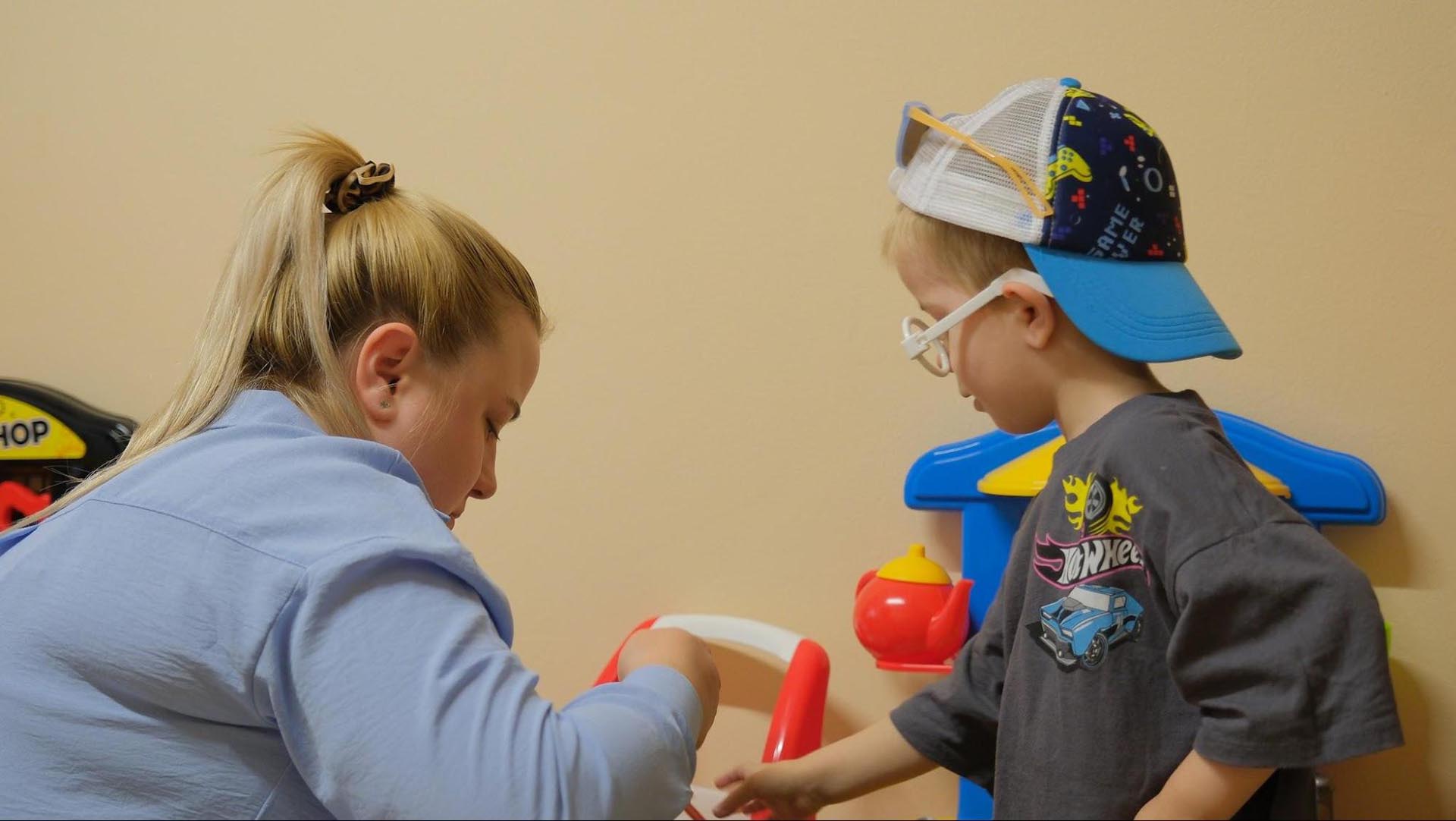
The Domino Foundation says that supporting children’s and social initiatives remains among its top priorities. The organization participates in programs assisting internally displaced people, supports educational and humanitarian initiatives, and also joins (joins ) projects aimed at the development of children and young people.
The foundation believes that rebuilding the country is impossible without supporting those who have suffered the most from the war. For this reason, special attention is given to children who need rehabilitation, psychological care, and opportunities to thrive despite difficult life circumstances.
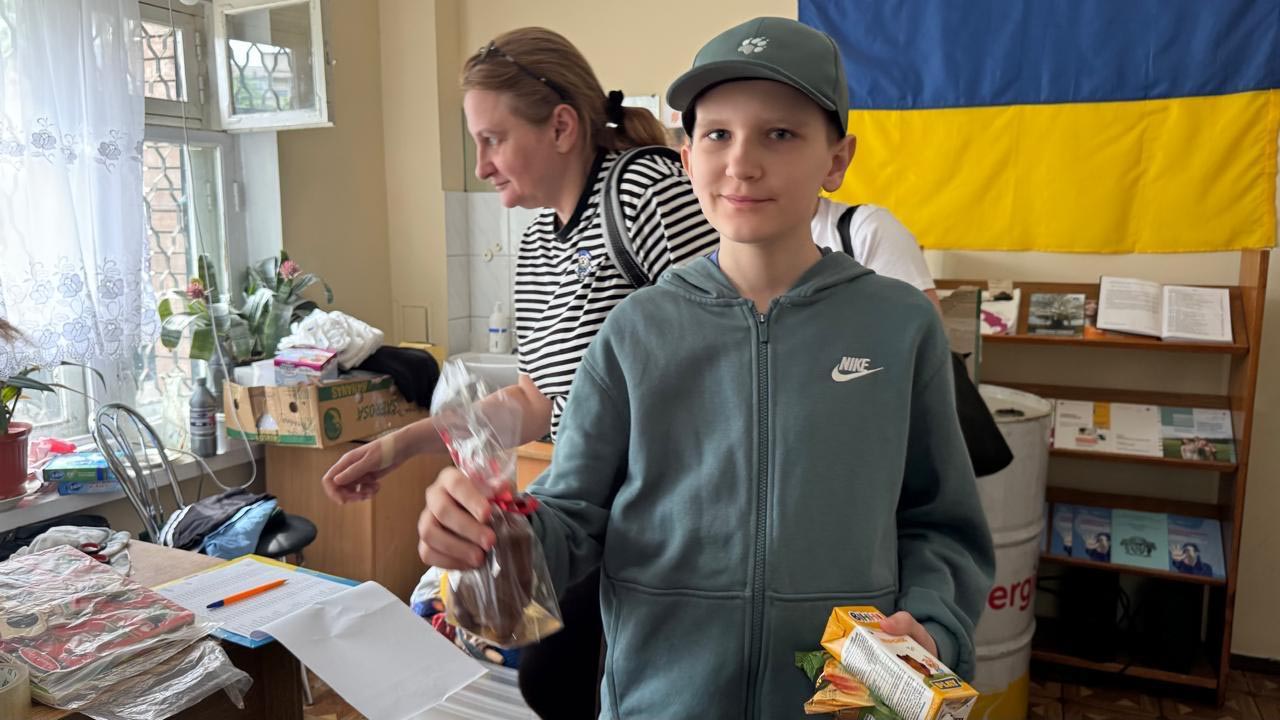
This is far from the foundation’s first initiative of its kind. Previously, Anton Shukhnin and his wife Anastasia joined efforts to support displaced families with children by providing school supplies and essential items ahead of the academic year. The foundation also regularly implements humanitarian programs for children and families affected by the war.
“For the Domino Foundation, supporting people affected by the war is not a one-time effort but an ongoing commitment. Children are our future, and today they need attention, support, and opportunities for recovery more than ever,” Shukhnin concluded.
In addition to supporting civilians, the Domino Foundation continues to assist Ukrainian service members and implement humanitarian projects across different regions of the country.
The foundation notes that since the beginning of the full-scale invasion, support for Ukraine’s Defense Forces has been one of its principal priorities. In particular, the organization has repeatedly donated vehicles needed for combat operations on the front line.
Among its completed initiatives is the delivery of Toyota Hilux, Toyota Prado, Mitsubishi L200, and Dodge RAM off-road vehicles to units of the Defense Forces. Some of these vehicles were additionally equipped with specialized gear and prepared for operation in demanding frontline conditions. The foundation has also supported units of the Main Intelligence Directorate of Ukraine’s Ministry of Defense by providing transportation for special missions.
The Domino Foundation emphasizes that this assistance is provided on a systematic basis. According to Anton Shukhnin, vehicles on the front line are often far more than a means of transportation—they are essential tools for evacuating the wounded, delivering supplies, and carrying out missions on which soldiers’ lives may depend.
Anton Shukhnin himself has repeatedly emphasized that philanthropy is deeply personal to him. As a native of the Donetsk region who was forced to leave his home because of Russian aggression, he understands the challenges faced by displaced people and families whose lives have been upended by war. For that reason, the foundation combines support for the military with assistance to children, displaced persons, and other groups requiring special care and attention.
The foundation stresses that supporting Ukraine’s defenders while also helping children and families affected by the war are complementary parts of the same mission: investing in the future of Ukraine.